
Beyond the Cup: How Coffee Brands Build Value
Overview | The Shift | Consumer Behaviour | Market Trends | Price Pressure | Brand Opportunity | EMK Insight
When brands can no longer compete predominantly on price, communicating value becomes more important.
Speciality coffee is being asked to do more than ever. Consumers want quality, provenance and experience, while brands are navigating higher costs, supply pressure and tighter regulation. In that environment, price alone becomes a weak differentiator. The real opportunity is in showing consumers exactly where the value comes from and why it is worth paying for.
So, lets look at the data behind this.
What makes coffee interesting to me right now isn’t just the product itself (although I am a self-proclaimed coffeenoisseur) - it’s how closely the category reflects changing consumer behaviour.
I identified 4 clear shifts shaping the market: wellness, digital influence, younger and more discerning coffee consumers, and the rise of slower, more considered coffee rituals.
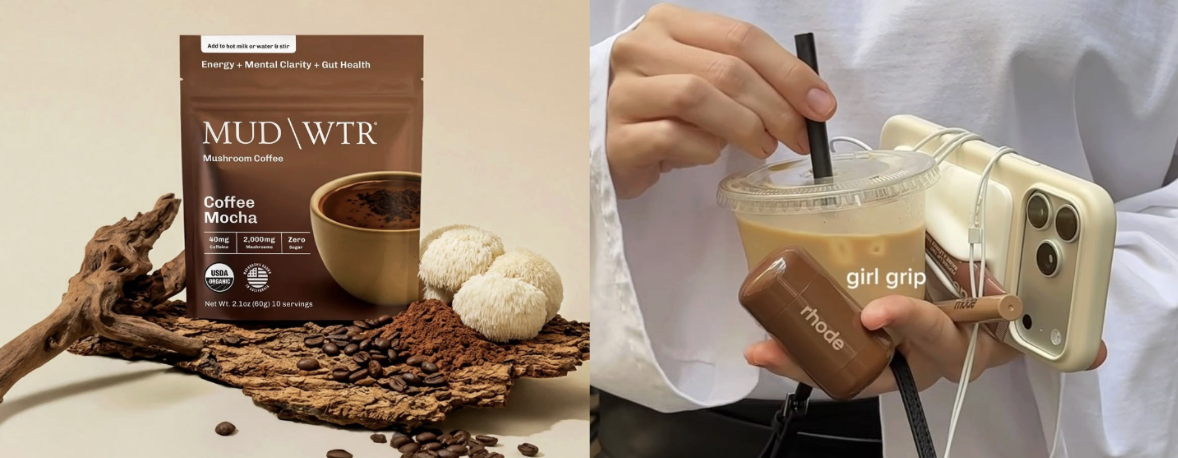
67% of consumers say they would buy more from a brand if it aligns with their personal beliefs and values
This matters because coffee is increasingly being linked to wellness, sustainability and conscious consumption. Clean-label, low- or no-additive products and functional formats are becoming more relevant, giving brands more ways to build meaning around the product beyond taste alone
44% of consumers globally say social-media recommendations are either essential or a desirable factor in their purchasing decisions.
Digital influence is becoming harder to ignore. For speciality coffee, this gives social a much bigger role than simply promoting a menu or product launch. Creators, educational content, aesthetic storytelling and collaborations can all shape how consumers discover and understand premium coffee before they ever make a purchase.
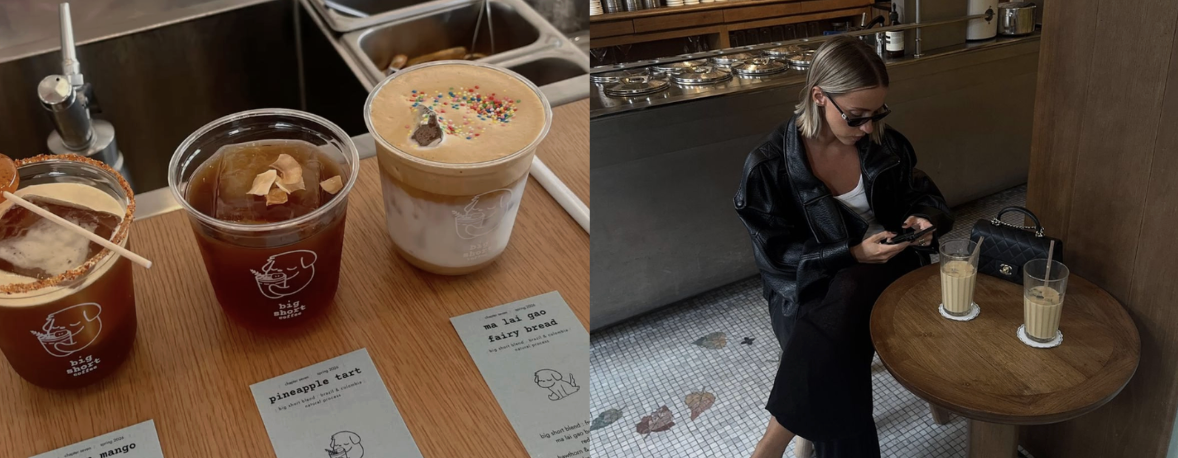
59% of Millennials and 56% of Gen Z say customisation or personalisation influences their choice of food and drink.
Younger consumers are also helping move coffee away from standardised consumption - they are becoming increasingly interested in single-origin beans, fun flavour profiles and different brewing methods - think Banana Bread lattes and Pistachio americanos. Coffee becomes less of a basic caffeine purchase and more of an experience shaped around personal taste.
47% of coffee drinkers are motivated to go to bed earlier just to ensure they have enough time for their morning coffee ritual.
As someone who sets an alarm early enough to grab a cappuccino en route, I’m proudly part of that 47%. But the wider point is that coffee is becoming more than a functional caffeine fix. Single-origin products, manual brewing methods and slower routines are turning everyday coffee into a more considered experience.
That shift is reinforced by the demand for transparency: 51% of consumers say country of origin, manufacturing details and professional certification influence their product choices. For speciality coffee brands, this creates a clear opportunity to make provenance, process and quality part of the story - not just the small print.
Consumers are not only asking “How much does it cost?” They are increasingly asking:
Where did it come from? What does it offer me? Does it fit my values? Does it feel personal? And is it worth choosing?
And what is especially interesting is that the response to this doesn’t have a one-size-fits-all approach. Some brands are leaning into health and functionality, others into craftsmanship and provenance, while others are using social culture, collaborations and convenience to make speciality coffee feel more relevant and accessible.
That creates a useful lesson for coffee businesses: the opportunity is not just to sell a premium product, but to decide which part of the premium story matters most to your audience, and communicate it clearly.
What should we be looking out for next?
Flavour is becoming the new industry battleground
Consumers want more experimentation, with 66% driven by curiosity to try new flavours.
Novelty matters
59% see unique/novel features as essential or nice to have. Think fun cups and distinctive branding across all touchpoints.
Functional coffee is moving mainstream.
Wellness-led formats like nootropics and protein coffee are widening what consumers expect coffee to do.
Technology is making coffee more personal.
With 56% valuing smart or high-tech features, digital ordering and personalised recommendations are becoming part of the experience.
Sustainability is becoming a baseline.
With 74% valuing recyclable packaging, responsible practices are moving from “nice brand story” to basic consumer expectation.
The market pressure behind the opportunity
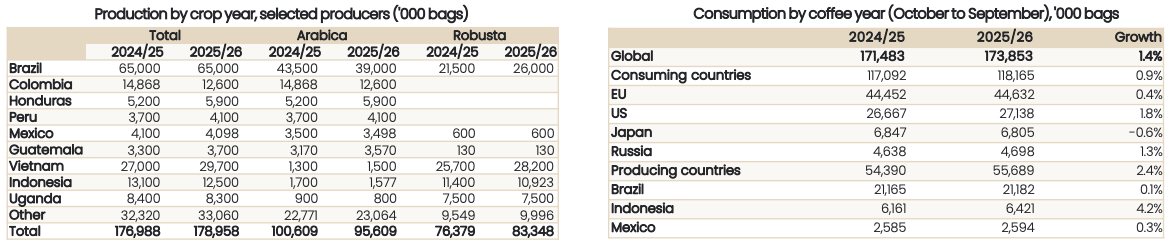
So after two years of deficit, global coffee supply is moving back into surplus - but prices remain volatile. In 2024/25, global production reached 174.62 million bags against consumption of 170.26 million, leaving a surplus of 4.36 million bags. That surplus is expected to rise to 5.81 million bags in 2025/26.
But more supply does not mean cheap coffee is coming back.
Climate volatility, unpredictable harvests, rising energy and labour costs, shifting trade policy and higher logistics expenses are all keeping pressure on the category. For roasters and cafés, that means tighter margins and less room to compete on price alone.
At the same time, consumers are becoming more selective about what they are willing to pay more for. That puts the focus firmly on perceived value. If prices stay elevated, brands need to give people a clearer reason to understand the premium - whether that comes from origin, flavour, craftsmanship, quality, sustainability or the wider experience around the product.
Consumers are becoming more selective about their everyday coffee choices. Café culture is still growing, wellness-led options are becoming more mainstream, and improving supply conditions may support the market - but price sensitivity and competition remain major pressures.
That means simply calling a product “premium” is no longer enough.
Brands need to focus on four things:
Lead with origin and craft. Provenance, quality standards and traceability give consumers a clearer reason to believe the premium.
Make value feel personal. Customisation and value-for-money matter, particularly when consumers are watching what they spend.
Use digital to build ritual and community. Smart technology, creators and educational content can help make speciality coffee part of everyday routines.
Make speciality more accessible. Smaller formats, entry-level options and wider channels can bring premium coffee to more consumers without losing the quality story.

the strongest coffee brands will be the ones that make their value feel visible before the first sip.
For coffee brands and cafes, it is no longer enough to rely on words like premium, artisan or speciality and expect them to do the work. Consumers are looking for something more tangible: where the coffee comes from, what makes it different, how it fits into their lifestyle, whether it reflects their values, and whether the experience feels worth the price.
That gives brands a much bigger story to tell and this is where social becomes super important.
The strongest coffee content is unlikely to be the content that simply says, “our coffee is high quality.” It is the content that shows why. That sounds complicated, I know, but really the best approach would be to simplify it by taking parts of the coffee and experience that already exist and making them easier to understand.
A single-origin bean, for example, already has a story behind it. The opportunity is in turning that story into something a customer can quickly connect with. What does it taste like? Where is it from? Why does that region matter? What makes the process different? Why should someone care?
The same applies to brewing methods, sourcing, roasting, sustainability or even packaging. These are not just operational details. They can all help explain why the product feels more considered and, ultimately, why it costs more.
A few ideas worth exploring…
making origin easier to understand - turn sourcing, regions and flavour profiles into simple, visual content.
Build repeatable rituals - morning routines, brewing series or “how we drink it” formats can turn coffee into a habit around the brand.
Test different value stories - craft, wellness, sustainability, flavour and convenience may all appeal differently depending on the audience.
Use UGC creators as proof, not promotion - let people show how the product fits naturally into their routine.
Watch what keeps working - the strongest content themes should evolve into recurring series, campaigns and wider brand positioning
And I’m not suggesting for you to try every idea once and move on. The more useful approach is to watch what performs, track your analytics, and then keep developing the themes that are clearly working.
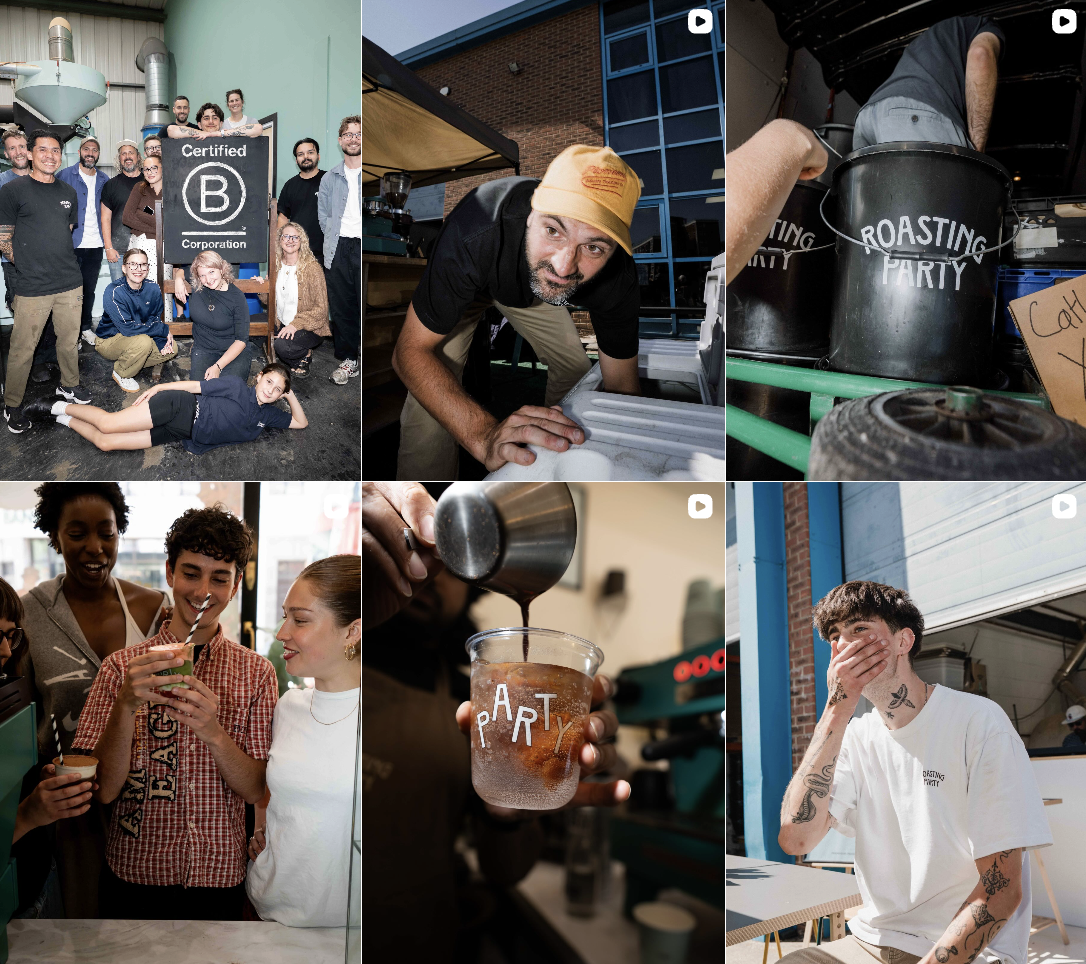
@roastingparty
Remember to not just follow whatever trend is growing, aways look at yourself first and ask:
What do we already do well? What do customers seem to value most about us? Where are we less convincing? What are competitors communicating better? And which parts of the wider coffee trend actually make sense for us to lean into?
A brand with strong producer relationships, for example, has a natural opportunity to build content around origin and sourcing. A café known for its atmosphere may get more value from community, ritual and experience-led content. A brand with convenient formats might focus on how speciality coffee fits into everyday life rather than trying to position itself as overly technical or exclusive.
Ultimately, the opportunity is not about chasing every new coffee trend. It is about understanding where consumer interest, market change and a brand’s own strengths meet.
Speciality coffee is being shaped by rising costs, changing expectations and a more selective consumer. For brands, the opportunity is to be clear on where their value really comes from and communicate that consistently. As the market continues to evolve, the businesses that understand both their audience and their own strengths will be best placed to respond.
Written by Emilie McKenna, founder.